


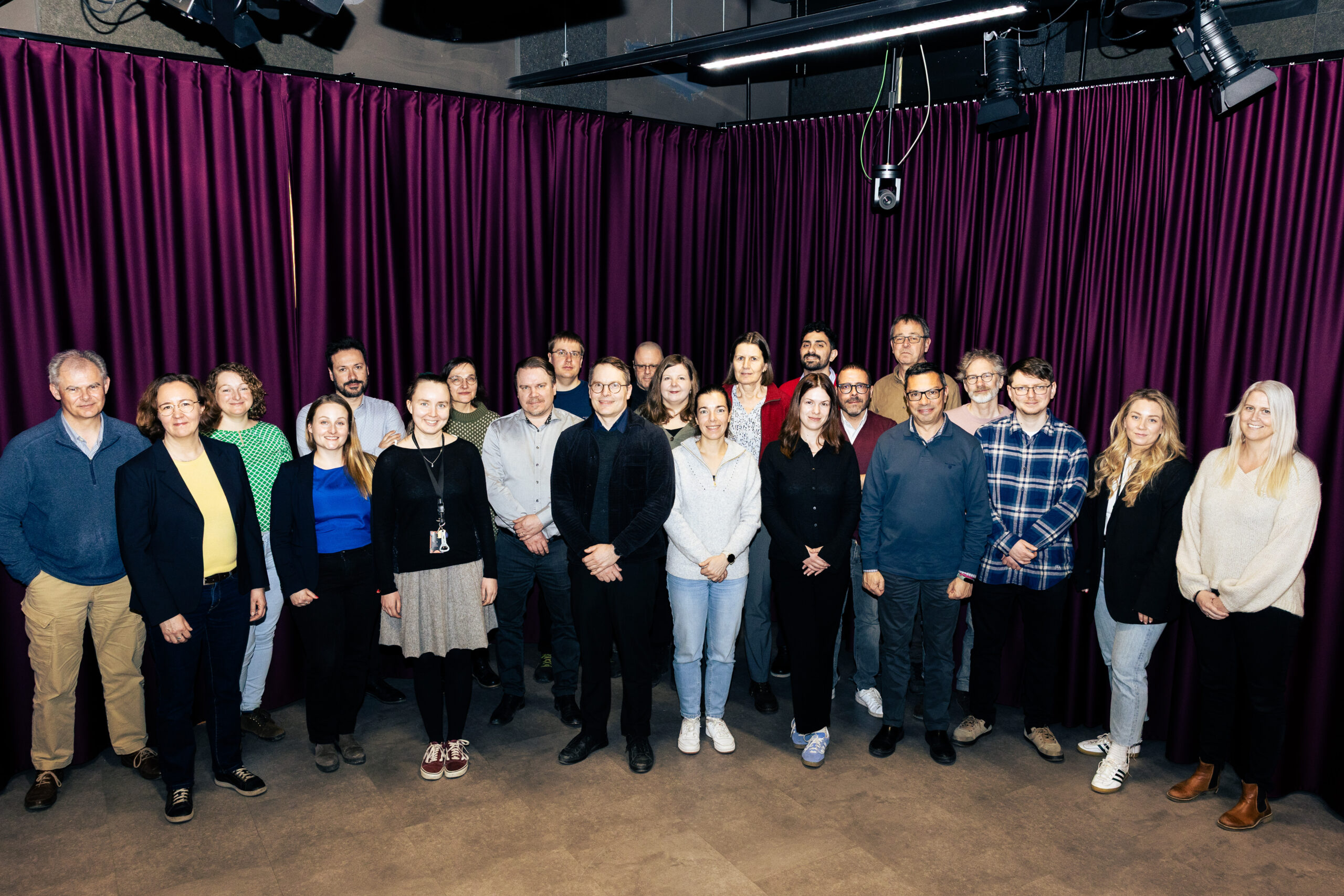

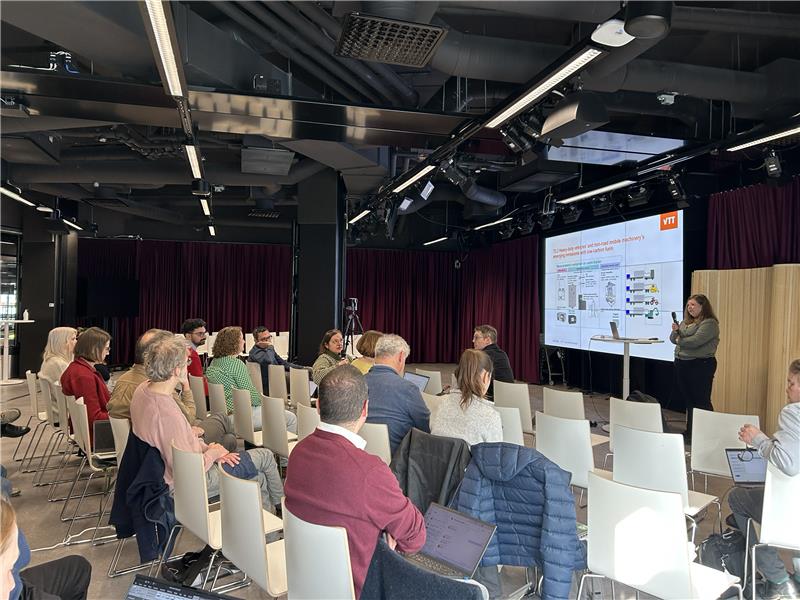
On 25 March 2025, the REALCHEM consortium officially launched its activities with a kick-off meeting held in Tampere, Finland. The meeting, hosted by Tampere University (TAU) in its role as project coordinator, brought together approximately 30 participants representing our 12 partner organisations.
The event provided an important platform for consortium members to engage in discussions, exchange expertise, and kickstart cooperation. These interactions were instrumental in aligning the project’s objectives, defining priorities, and coordinating tasks for the initial phase of implementation.
Project Overview
REALCHEM is dedicated to advancing cleaner and more climate-friendly transport solutions. The project focuses on assessing emissions from low-carbon fuels in sectors that are difficult to electrify, including aviation, maritime transport, heavy-duty vehicles, and non-road mobile machinery.
Through a combination of real-world measurements and experimental studies, the consortium will analyse emissions and evaluate their impacts on air quality and human health. The project will also identify and assess emerging technologies with the potential to reduce environmental and health impacts. Both existing datasets and newly generated data will be integrated into a comprehensive knowledge base.
Objectives
The project is structured around three main objectives:
– To generate reliable and high-quality data on emissions from low-carbon fuels
– To assess the impacts of these fuels on climate, air quality, and public health
– To support technology providers and end-users in reducing harmful emissions from engines operating on low-carbon fuels
All findings will be compiled into a dedicated database aimed at identifying the most effective fuel and technology options.
Contribution to EU Policy Goals
REALCHEM contributes to the objectives of the European Union’s Green Deal and its ambition to achieve zero pollution by 2050. As the transition away from fossil fuels accelerates, the project will provide essential scientific evidence to better understand evolving emission profiles and to guide the development of cleaner engine technologies and fuel solutions.