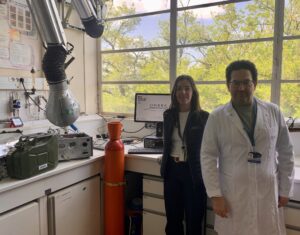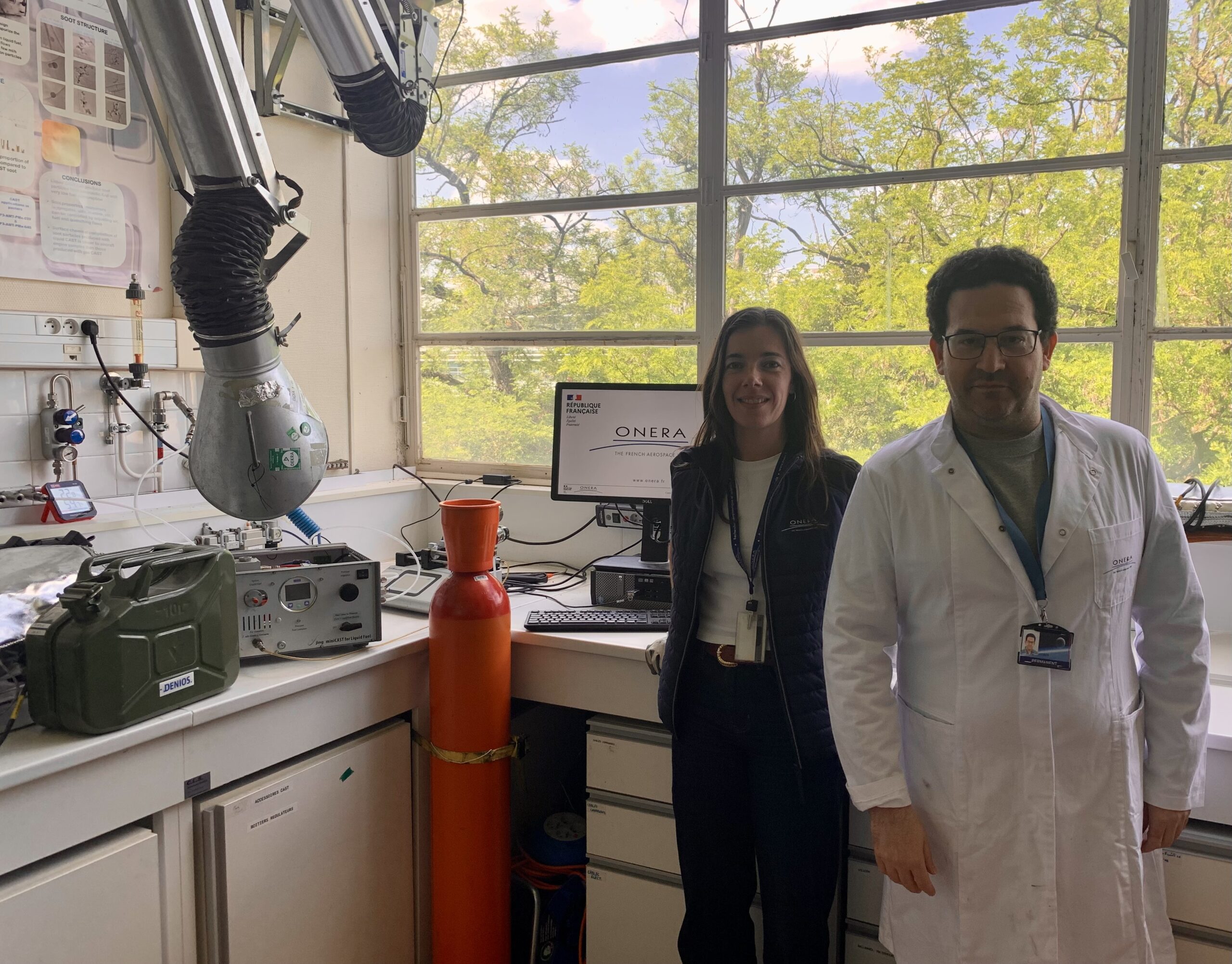

Office National d’Etudes et de Recherches Aerospatiales (ONERA) is deeply committed to the decarbonization of aviation and has already participated in several projects to study future solutions, including sustainable aviation fuels. Joining the REALCHEM consortium is a strategic step to address an urgent scientific need: generating reliable, comprehensive data on the interactions between emerging technologies and new fuels.
It is not enough to aim for carbon neutrality; we must also understand its impact on human health and air quality. ONERA’s participation in the REALCHEM consortium will provide concrete data on aviation pollutant emissions to guide the decisions of public authorities and industry stakeholders. The goal is to ensure that the energy transition does not compromise public health by offering a comprehensive view of the advantages and disadvantages of new technologies.
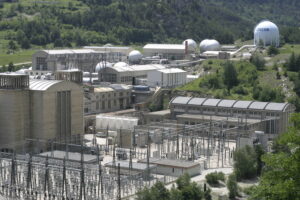
Modane-Avrieux centre of the French ONERA. (Photo: Marcin Floryan)
Aviation in good hands
Within the REALCHEM project, ONERA is leading the aviation workstream. The primary ONERA mission is to coordinate a test campaign on a helicopter engine test bench (at Safran Helicopter Engines facilities). Several sustainable aviation fuels are under investigation. The goal is to characterize the pollutant emissions associated with these fuels, with a particular focus on the aging of pollutants and their impact on health. They ensure the rigor of the measurement protocol so that the results can be used to assess the potential of these future fuels. This work serves as a basis for evaluating the real benefits of decarbonization solutions in the context of air quality by ensuring that the measurements reflect actual emissions and enable informed decision-making.
From assumption to scientific action
REALCHEM is crucial because for ONERA as it prevents technological decisions based on incomplete assumptions. Decarbonization must not lead to unforeseen pollution problems, such as a decline in air quality due to the emergence of new pollutants. This project provides the scientific rigor needed to balance climate benefits against health impacts, thereby ensuring a transition to cleaner and safer transportation. These essential data are indispensable for verifying that the fuels of tomorrow effectively meet the objectives of the European Green Deal and enable the achievement of zero pollution by 2050.