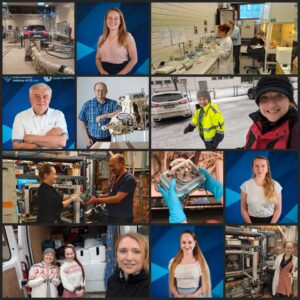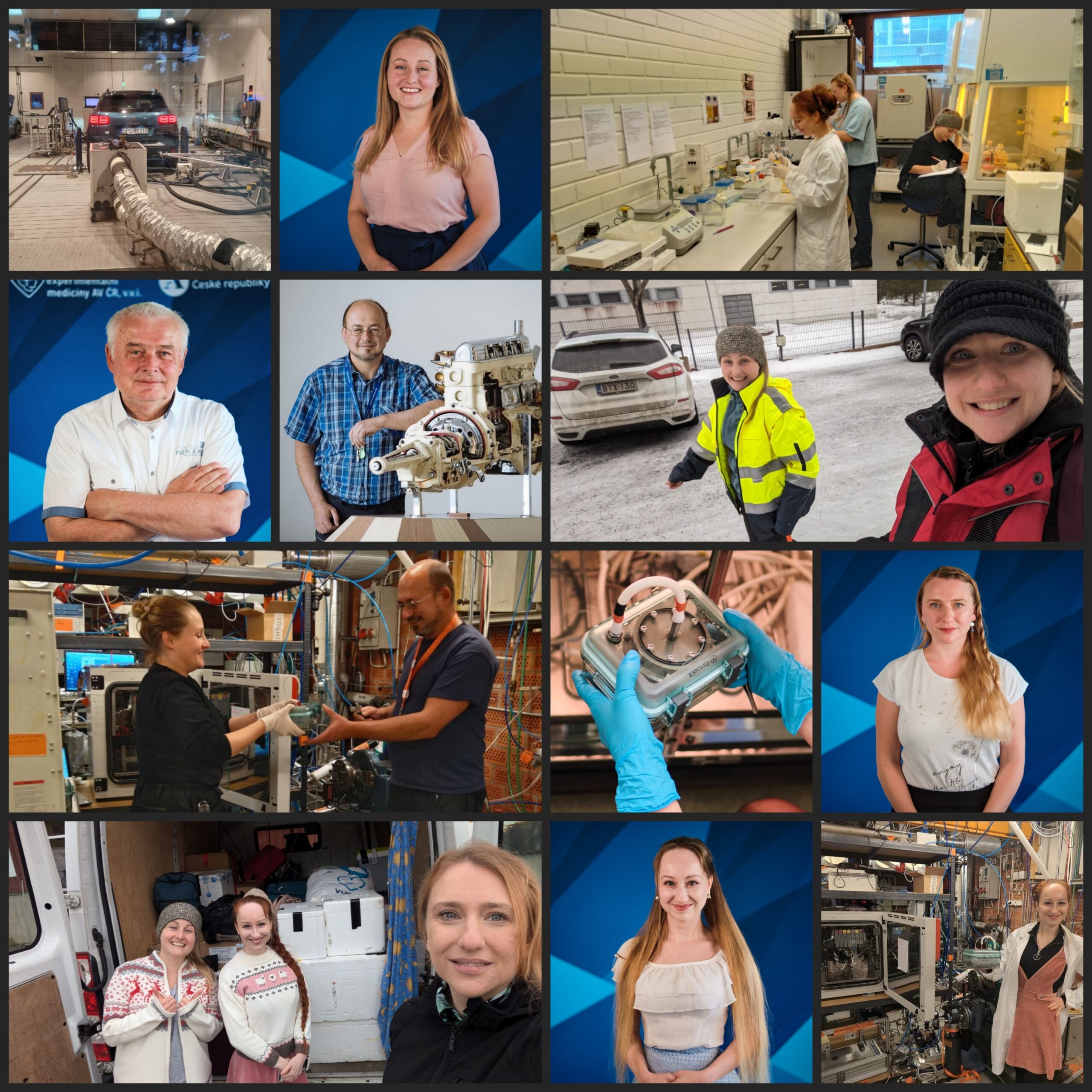

The Institute of Experimental Medicine of the Czech Academy of Sciences (IEM) is a recognised centre for basic biomedical research in the Czech Republic. The institute focuses its research in biochemistry, cell and developmental biology, pathology, molecular embryology, genetic toxicology and nanotoxicology, neurobiology, neurophysiology, neuropathology, oncology, tissue replacement, and nanomedicine.
REALCHEM builds on previous research in sustainable fuels and new transport technologies, with a clear link to human health. As biologists, the IEM team working in our project knows that even small changes in emissions can have a large effect on overall pollution and health risks. IEM joined the project to help identify which fuels and technologies are promising, and which combinations need more careful testing. Air pollution is mostly beyond the control of individual people. Therefore, decisions made at different levels should be supported not only by physical and chemical measurements of emissions, but also by solid long-term toxicology and epidemiology research.
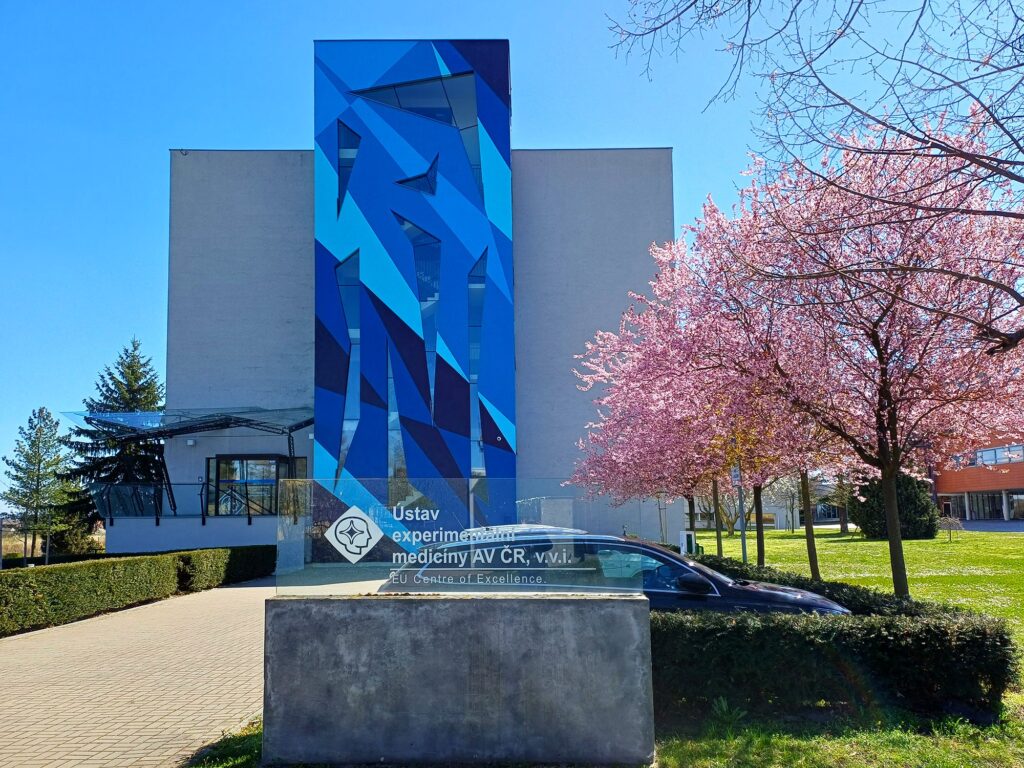
Institute of Experimental Medicine of the Czech Academy of Sciences (Photo: IEM)
Leading REALCHEM work on health impacts of exhaust pollution
Within REALCHEM, IEM contributes by assessing the biological effects of emissions from low-carbon fuels and new transport technologies. IEM uses an air-liquid interface exposure system developed and tested in previous projects, including PAREMPI. This system allows advanced human lung cell models to be directly exposed to complex exhaust mixtures under realistic conditions. Using this approach, IEM helps evaluate if and how emissions can affect respiratory cells through cytotoxicity, oxidative stress, inflammation, or DNA damage. By connecting emission data with biological responses, IEM provides health-related evidence needed to evaluate fuels and technologies beyond their physical and chemical emission profiles.
The importance of our project
For IEM, REALCHEM builds on previous research and moves it closer to real impact. Low-carbon fuels and new transport technologies should not be judged only by their climate benefits or emission reductions, but also by their effects on air quality and human health. The project added value is that it connects high-end laboratories and experts from different fields, connecting emission measurements with toxicology, exposure approaches, modelling, and stakeholder communication. This helps create a more complete picture of which fuel and technology combinations can be promising. IEM also sees REALCHEM as an example of a “safe by design” approach: identifying possible health and environmental concerns early, before new technologies are widely used. This can support better choices, clearer communication with the wider audience, and stronger evidence for future policies.