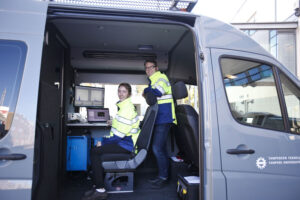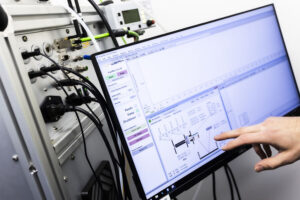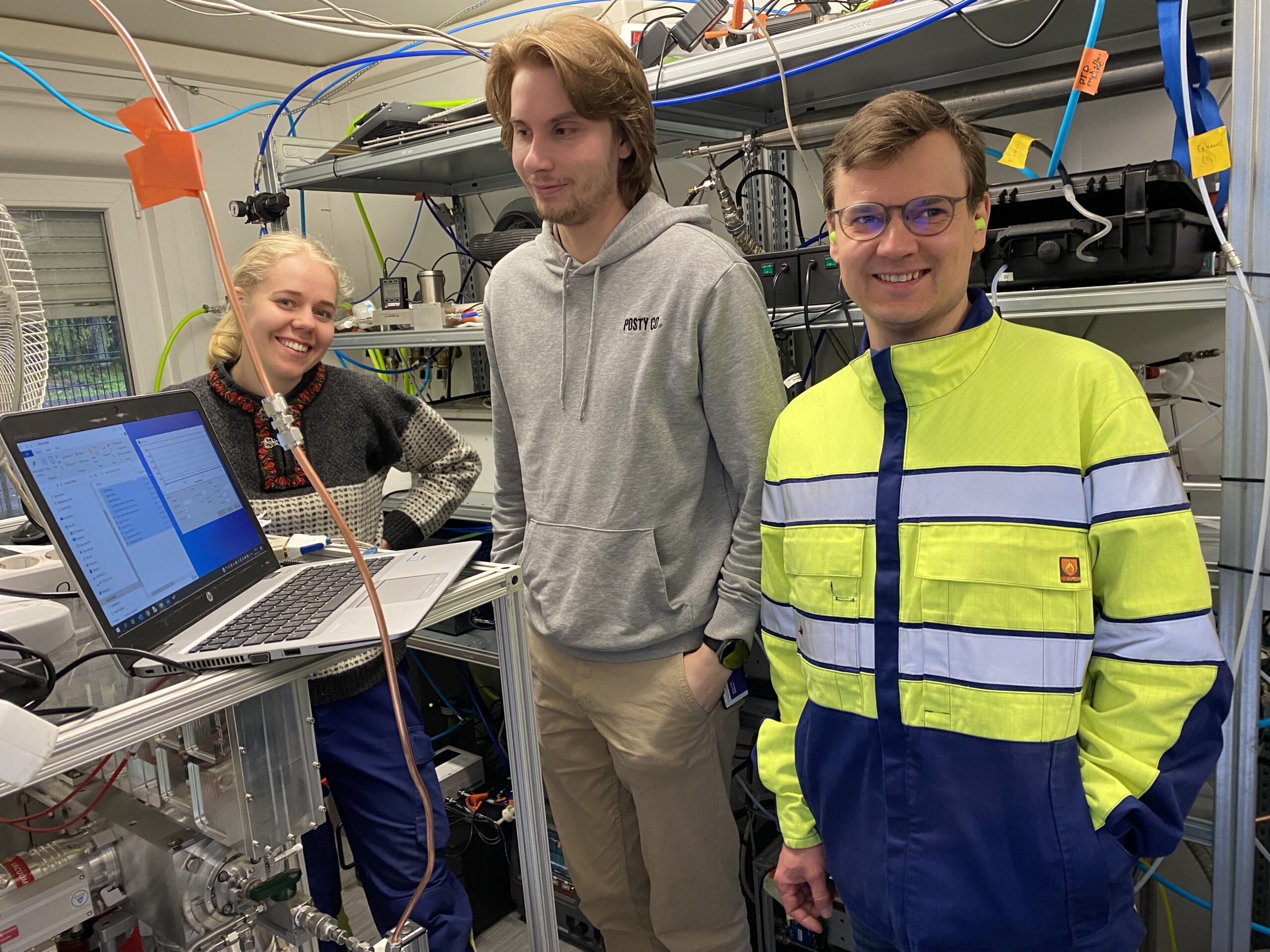

Tampere University (TAU) is the coordinator of the project and also contributes its own scientific and technical expertise in several key tasks of the project. These include aligning the experimental work on the different sectoral experiments via, for example, joint exploratory measurements.
TAU is also a key participant in all experimental campaigns in the project, making use of our comprehensive instrumentation for measuring particles and gases in both the primary as well as aged emissions. TAU leads the work package that produces the knowledge base of REALCHEM, in which the literature review results the collected and developed emission factors, and the guidance for technology providers and policymakers are made available. As the project coordinator, we work to ensure all experts in the project have the resources needed to reach the project goals.
The long-standing expertise of our project coordinator
The idea of coordinating the REALCHEM project at TAU was a result of long-standing work in in the field of atmospheric emissions from man-made sources, in which there is an urgent need for understanding in how changing fuels and technologies will impact the emissions, and how to measure these changes so that the resulting knowledge is relevant to the real atmosphere and air quality. TAU has worked on these questions for a long time with many different projects, consortia, and funding sources, and has built world-class expertise and collaboration networks to address them.
When the call text was released, they immediately understood that a successful project would need to make use of many different skills:
– high-quality emission measurements, including components beyond currently regulated;
– understanding and organising the complexity of emissions data; modelling expertise at various levels of scales;
– deep understanding of the technologies involved; assessment and communication of emissions’ impacts, and the ability to reach and engage people working in various fields affected by our results.
They quickly understood that the TAU team’s research was very well aligned with these needs, and their previous work, for example in the SCIPPER and PAREMPI projects, would act as an excellent base for the new research. From this, it was an easy decision to start working on building a consortium that could address the challenges of the project call, and TAU considers the successful application as evidence that their research on the scientific and technological foundations of a world with cleaner air is on the right track.
The importance of the REALCHEM research from the coordinator’s point of view
REALCHEM addresses several globally important major challenges: climate change mitigation, linked to the energy transition away from fossil sources; and atmospheric pollution, impacting millions of people and worsening the quality of life in many parts of the world. They believe that the best way to solve these challenges is by carrying out high-quality academic research, by producing actionable data and knowledge for decision-makers, and by collaborating with industry partners in developing novel technological solutions.
The REALCHEM project is positioned in the focal point of these activities: the project will advance the science of understanding emissions and their processes, moving the field forward in understanding the different emission components, their interactions, and the way they are formed in the engine. TAU and other technical partners will produce important new data that is currently missing from models, and use it to predict how emissions from novel fuels impact human health, with location-specific knowledge modelled from high-quality models. The project will also produce guidance for avoiding harmful emissions to the industry directly involved in the technologies likely to be part of the future mix in the transport sector. Therefore, TAU believes that by achieving the objectives of REALCHEM, we can smooth the way towards transport that is efficient but still emits much less carbon dioxide, and at the same time reduces the negative health effects of bad air quality.